
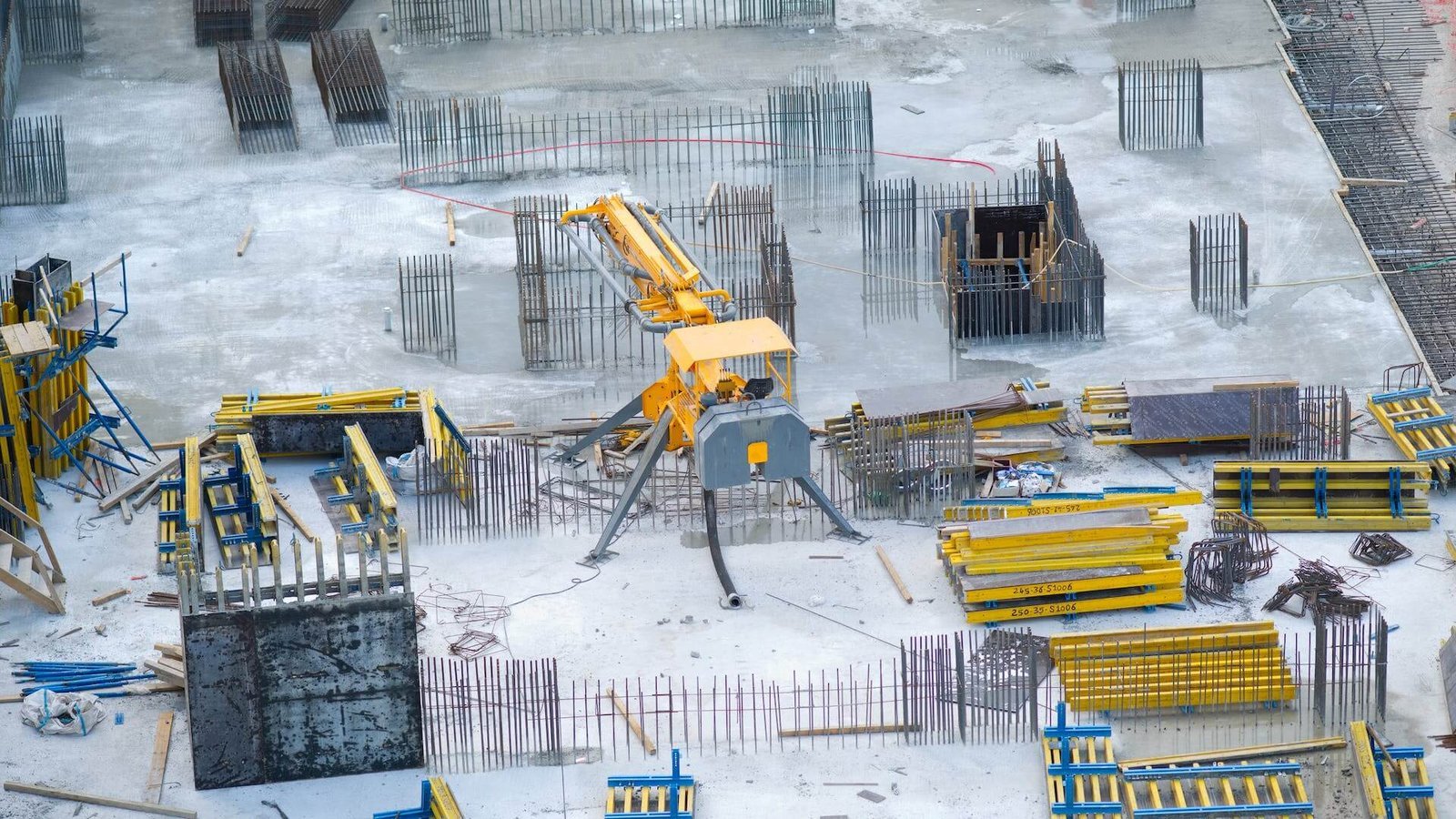
Prefabrication is no longer limited to temporary structures. For industrial sheds, utility blocks, and campus buildings, off-site fabrication can compress schedules and raise finish quality — if interfaces are designed with fabrication in mind from day one.
Design for the factory, not only the site
Prefabricated steel buildings, modular plant rooms, precast elements, and bathroom or MEP skids succeed when dimensional tolerances, transport envelopes, and connection details are fixed early. DMA coordinates architecture and structure so bay modules, crane reaches, and pad foundations match the fabrication strategy rather than fighting it.
Where prefabrication pays off
Repetitive campus blocks, utility corridors, transformer yards, and process support buildings often benefit most. Off-site welding and painting under controlled conditions reduce weather delays and improve finish consistency. On constrained urban or operating-plant sites, prefabrication also shrinks the on-site labour peak and hot-work risk.
Logistics is half the design
A perfect module that cannot pass the plant gate is scrap. Route surveys, lifting studies, temporary works for landing pads, and sequencing of underground services must sit in the same programme as fabrication milestones. DMA plans those interfaces with clients and fabricators so site teams receive units that drop into place with minimal field modification.
- Early decision on modular vs stick-built scope boundaries
- Coordinated connection details for structure, cladding, and MEP stubs
- Inspection and testing at the fabrication yard before despatch
- Site readiness criteria: foundations, access, and crane windows locked
MEP modules and utility blocks
Prefabrication is especially powerful for mechanical and electrical packages: pump skids, AHU rooms, and packaged substations can be assembled and tested off-site while civil works progress. The architectural envelope still needs careful openings, acoustic treatment, and maintenance access. DMA integrates those requirements so a fast module does not become an inaccessible box on site.
Quality and programme predictability
Prefabrication does not remove risk — it moves it upstream where it can be managed. Clients gain clearer milestones and fewer weather-driven surprises when fabrication slots and site acceptance criteria are contractual. The payoff is a more predictable industrial delivery path and interiors that meet specification without frantic site finishing.
DMA Projects helps owners decide where prefabrication adds value and then designs the interfaces that make it work on Indian industrial and institutional projects.
Contracts that protect the prefabrication path
Prefabrication fails when contracts still assume stick-built sequences. Payment milestones, inspection rights at the yard, and clear responsibility for transport damage must match the off-site strategy. DMA helps owners structure packages so fabricators, civil contractors, and MEP installers share one interface definition.
With the right contractual and design scaffolding, prefabrication becomes a predictable accelerator — not a gamble that shifts risk onto the site team.