
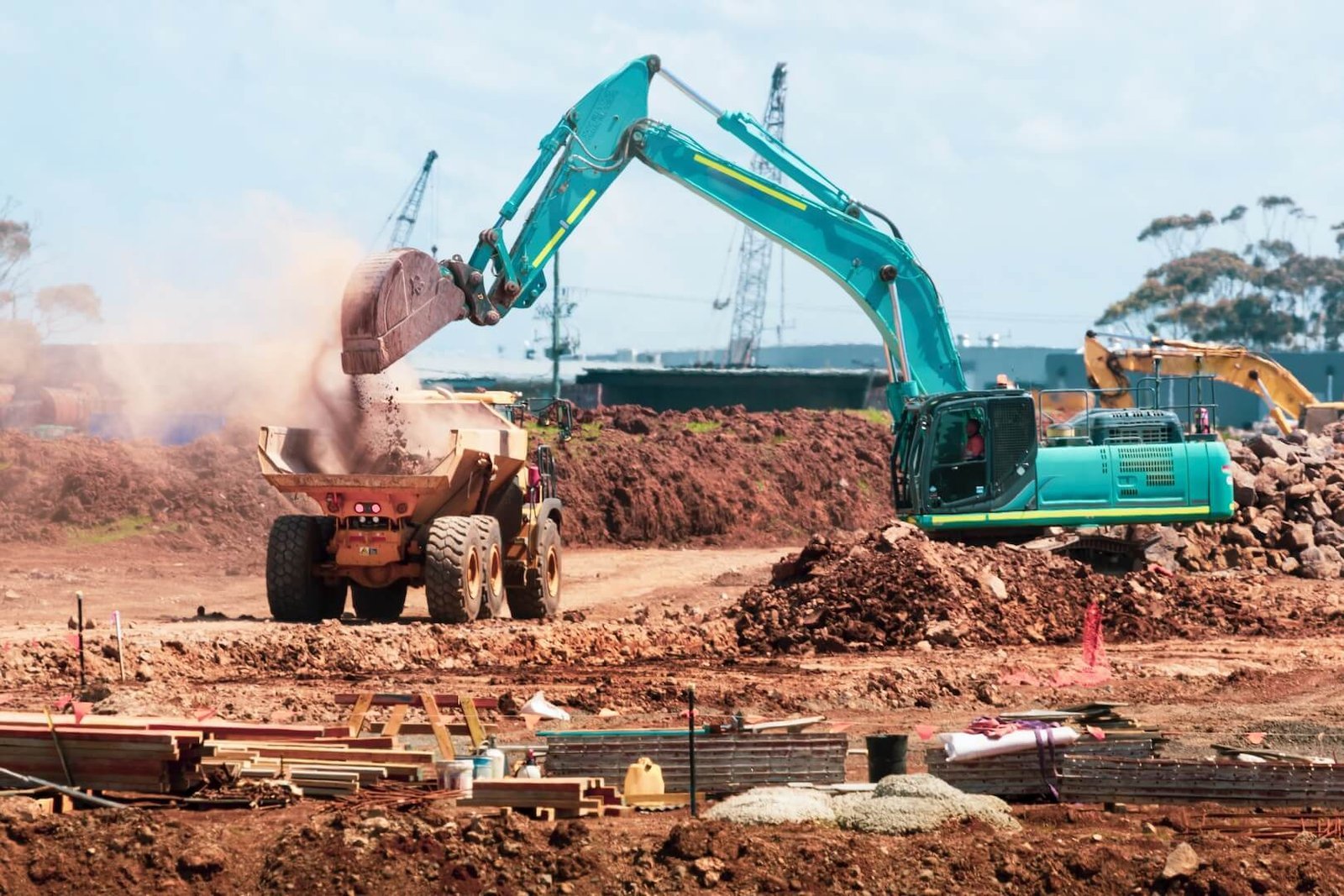
On industrial and institutional sites, tools and methods matter less than how teams use them. Accurate setting-out, controlled material receipt, daily coordination meetings, and documented inspections prevent rework that quietly erodes budgets and programmes.
Control the information, then control the work
Sites go off track when superseded drawings circulate verbally. DMA emphasises a single source of IFC information, stamped revisions, and clear hold points for foundations, structural steel, waterproofing, and MEP first-fix. Setting-out must be checked against survey benchmarks before mass excavation or steel erection — correcting a millimetre error on paper is cheaper than correcting it in concrete.
Material and workfront discipline
Industrial sites receive long-lead equipment, fabricated steel, ducting, and finishes in overlapping waves. Storage areas, quarantine zones for non-conforming materials, and sequenced workfront release keep congestion from becoming chaos. Daily look-ahead meetings between civil, structural, and MEP supervisors surface clashes before crews mobilise on the wrong face.
Inspections that mean something
Checklist theatre helps nobody. Meaningful inspections verify cover, alignment, weld quality, insulation continuity, earthing, and firestopping against the approved detail. DMA’s site supervision approach ties inspection records to the programme so incomplete work cannot hide behind percentage-complete claims.
- Published IFC sets and RFI logs accessible to every trade supervisor
- Temporary works and access planned with safety, not improvised overnight
- Weather and monsoon contingencies for open excavations and roof works
- As-built mark-ups captured continuously, not reconstructed at handover
MEP and civil must share one calendar
Many delays are interface delays: slabs poured without sleeves, walls closed before trays are fixed, or roofs sealed before HVAC outdoor units arrive. Essential site practice is a shared calendar that releases civil faces only when services are ready — and protects finished work from following trades. DMA’s coordinated design packages make those interfaces explicit so site teams are not inventing them under pressure.
Safety and productivity reinforce each other
Crowded, poorly sequenced sites are both dangerous and slow. Clear pedestrian routes, defined lifting zones, and staged energisation reduce incident risk while improving output. When architecture and MEP are coordinated before site, fewer crews fight for the same ceiling void on the same day.
DMA Projects designs for buildability and stays present on site so industrial practices stay disciplined from first excavation to commissioning.
Monsoon and night-work realities
Essential site practice in India includes weather gates for roofing, waterproofing, and open excavations, plus lighting and fatigue management for night pours or shutdown windows. DMA programmes those constraints into the plan so industrial projects do not pretend dry-season productivity lasts all year.
Documented look-aheads that respect weather and plant shutdowns keep teams honest — and keep quality from collapsing under compressed make-up schedules.