
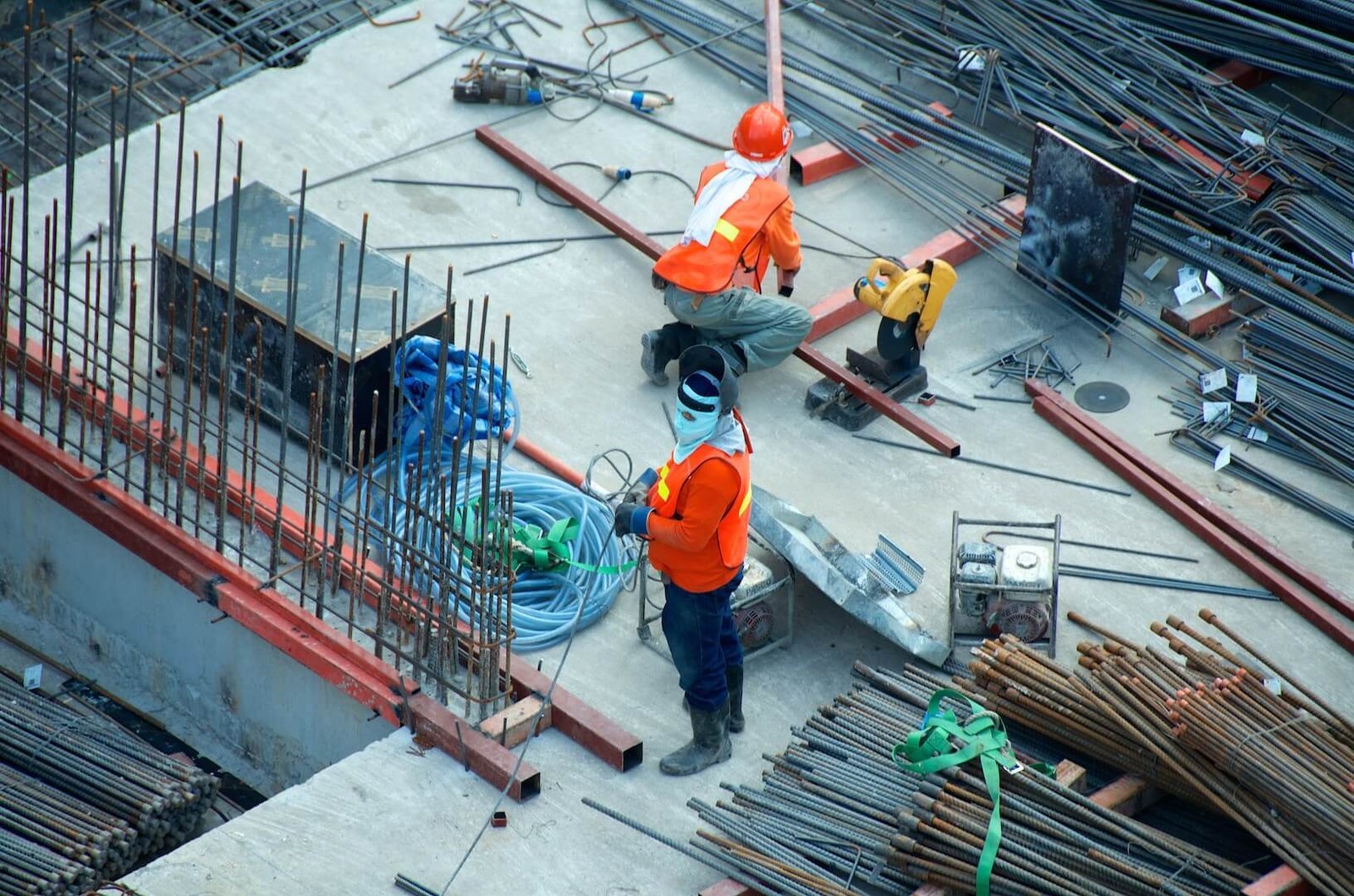
A capable site team needs more than hardware. Current IFC drawings, RFI discipline, material tracking, and hold-point inspections are what keep quality consistent across large industrial packages. DMA Projects equips supervision and contractor interfaces with the information systems that make coordination real.
Information tools before power tools
Every supervisor needs the latest approved drawings, a clear RFI channel, and a known authority for answering clashes. Tablets and printed sets both work when revision control is strict. What fails is verbal superseding of dimensions. DMA’s site presence reinforces drawing control so architecture and MEP intent survive the pace of industrial construction.
Measurement and setting-out
Total stations, levels, and calibrated tapes are basic — but only if benchmarks are protected and checks are recorded. Structural grids, embedded plates for equipment, and MEP sleeve locations depend on survey discipline. Errors caught at setting-out cost hours; errors caught after casting cost weeks.
Quality and safety kit that gets used
Inspection checklists, torque tools for critical connections, moisture meters for waterproofing readiness, and electrical testing equipment only help when hold points are contractual and enforced. PPE, exclusion zones, and lifting plans are non-negotiable on industrial sites. DMA expects these practices as part of coordinated delivery, not optional extras.
- Revision-controlled IFC packages and as-built capture routines
- Material receipt logs and non-conformance workflows
- Daily coordination agendas covering civil, steel, and MEP
- Commissioning checklists prepared before systems are energised
Trade interfaces on industrial packages
Architecture, structural steel, HVAC ducting, cable tray, fire protection, and interiors often share the same ceiling and shaft. The site team’s real toolkit includes interface drawings, priority rules for congested zones, and authority to pause work when a clash appears. DMA’s coordinated packages give those tools a baseline so supervisors are not inventing geometry on the scaffold.
People still make the difference
Tools do not replace experienced engineers and trades. The best site teams combine competent people with clear information and authority to stop work when quality or safety drifts. DMA supports that culture through design clarity and active supervision.
Coordinated delivery is a system: drawings, people, inspections, and decisions. Equip all four, and industrial projects stay aligned.
Commissioning tools belong on the site list
Balancing instruments, insulation resistance testers, thermal cameras, and calibrated pressure gauges should appear in the mobilisation plan — not arrive as an afterthought at handover. DMA aligns commissioning tools and checklists with the MEP design so tests measure the systems that were actually specified.
When site teams treat commissioning kit as essential equipment, industrial packages reach stable operation faster and with fewer callbacks during defects liability.